


 0
0
Small Breed Grooming Techniques: Expert Tips for Singapore’s Most Popular Dogs

Walk around any Singapore HDB estate and you’ll see them everywhere – cute Toy Poodles, fluffy Shih Tzus, and adorable Maltese dogs. These small breeds have become Singapore’s favorite pets, but grooming them properly requires more skill than most people realise.
Many assume poodle grooming for beginners is straightforward – just brush and bathe, right? Small dogs are actually more delicate than they appear. They have sensitive skin and fine bone structure that needs careful handling. Singapore’s humid climate also causes their coats to mat quickly, and techniques that work for larger breeds can be unsuitable for these smaller companions.
Michelle Foo has spent over 18 years mastering small breed grooming and now leads professional pet grooming courses in Singapore. Her experience has shown her how easily things can go wrong without proper knowledge and technique.
This guide will teach you to learn to groom dogs using proven professional methods and discover the techniques used by skilled groomers.
Understanding Small Breed Anatomy and Grooming Challenges
Small breeds aren’t just mini versions of larger dogs – they have unique physical traits that completely change how you approach grooming.
Physical Considerations
Small dogs have delicate skin that’s much thinner than larger breeds. What feels gentle to you can be painful for a 3kg Maltese. Their fine bone structure means you need careful support during grooming – one wrong move can cause injury.
Common Small Breed Issues
Matting happens fast due to fine, double-layered coats. Behind the ears, under legs, and around collars become severely matted within days. Tear stains are particularly visible on light-colored breeds like Maltese and white Poodles. Nail overgrowth is common since small dogs don’t naturally wear down their nails through exercise.
Singapore’s Unique Challenges
Our tropical humidity creates perfect conditions for coat problems. Indoor lifestyles mean dogs miss natural coat conditioning from outdoor activities. Air conditioning also dries out their skin and coat.
Professional Training Matters
Standard dog grooming courses in Singapore focus on larger breeds, but small breed grooming needs adapted techniques and specialised knowledge. This is why many groomers seek dog grooming qualifications specifically for small breeds – the margin for error is much smaller, and the techniques are genuinely different.
Essential Tools for Small Breed Grooming
The right tools make the difference between a stressed dog and a calm, well-groomed one. For small breeds, size and quality matter more than you think.
Professional vs Pet Store Tools
Pet store tools might seem budget-friendly, but cheap slicker brushes scratch delicate skin while dull scissors pull fine coats. Professional-grade tools offer the precision and gentleness small breeds need.
Size-Appropriate Equipment
Small dogs need small tools. The Li’l Pals line offers perfectly sized equipment for toy breeds. Regular tools can overwhelm a 2kg Chihuahua.
Must-Have Tools
Essential items include fine slicker brushes, steel combs with wide and narrow teeth, precision clippers with quiet motors, and appropriately sized nail clippers.
Investment in Quality
Quality tools last longer and perform better. Good scissors stay sharp for years while cheap ones dull quickly.
Supergroomers Academy Recommendations
Students learn with professional Zion slicker brushes, steel combs, dual-speed clippers, and precision shears. The academy’s comprehensive kit includes everything from nail clippers to ear care forceps.
Breed-Specific Techniques for Singapore’s Popular Small Breeds
Each small breed has unique grooming requirements. Mastering these small breed grooming techniques separates amateur attempts from professional results.
Toy Poodle Grooming
Poodle grooming for beginners starts with proper coat preparation. Poodle coats must be completely brushed out before wetting – any mats will tighten when wet. Section the coat into manageable areas: legs, body, head, and tail.
For the popular teddy bear cut, use a #4 blade on the body, leaving the coat about 1/2 inch long. The legs get scissored to create a rounded, plush appearance. Face work requires precision – trim around the eyes carefully, leaving enough coat to maintain that adorable teddy bear look.
The lamb cut offers a cleaner alternative, with shorter body hair (#7 blade) and longer leg furnishings. This cut works well for active poodles in Singapore’s climate.
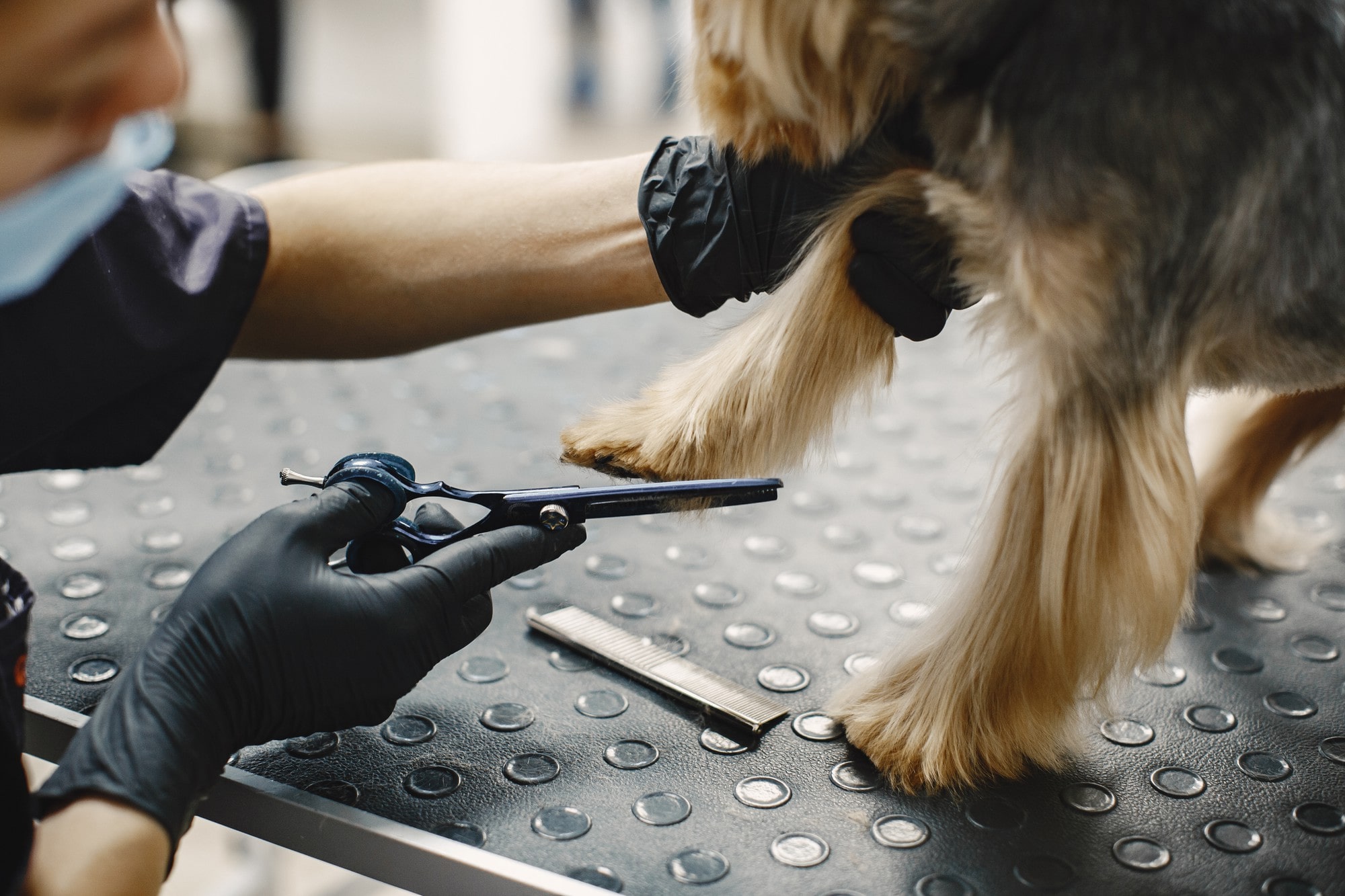
Face and feet work demands the most skill. Use a #40 blade for hygiene areas and between toes. The face requires careful blending to maintain breed characteristics.
This is why dog grooming courses for beginners spend extensive time on poodle techniques – they teach fundamental skills applicable to many breeds.
Shih Tzu Grooming Mastery
Shih Tzus have double coats that require different approaches than single-coated breeds. Start by thoroughly brushing both the soft undercoat and longer topcoat. Work in layers from skin to tip.
The signature topknot involves gathering hair from above the eyes and securing it with a band.
Body clipping typically uses a #4 or #5 blade, but leave the legs longer for that classic Shih Tzu silhouette. Eye area maintenance is crucial – keep hair trimmed away from eyes to prevent irritation and tear staining.
Maltese Coat Care
Maltese coats are silky and prone to matting. Use metal combs and slicker brushes designed for fine hair. Work systematically to prevent breakage of their beautiful white coats.
Tear staining is a major concern. Clean daily with appropriate products and keep facial hair trimmed short around the eyes. Show cuts maintain full length everywhere possible, while pet cuts prioritise practicality with shorter face furnishings.
Bichon Frise Styling
The Bichon’s signature look is that perfect rounded powder puff appearance. This requires skilled scissoring to create smooth, curved lines throughout the coat. Use thinning shears to blend and maintain the fluffy texture while removing bulk. The goal is a coat that looks naturally full and round, not sculpted.
Professional Techniques from Supergroomers Academy

Michelle Foo’s 18+ years of experience have refined specific techniques that ensure both safety and efficiency when grooming small breeds. These methods form the foundation taught in basic pet grooming courses in Singapore at Supergroomers Academy.
Pre-Grooming Assessment Protocol
Every small dog receives a thorough assessment before grooming begins. Check for skin conditions, matting severity, nail length, and ear health.
Stress-Reduction Techniques
Small dogs can become overwhelmed quickly. Use calming voices, frequent breaks, and positive reinforcement throughout. Never rush a stressed small dog; the extra time investment prevents behavioural issues.
Professional Restraint Methods
Small breeds require gentle but secure restraint. For face work, support the muzzle gently rather than gripping tightly.
Time-Efficient Grooming Sequence
Michelle’s signature sequence maximises efficiency whilst minimising stress: assessment, nail trim, ear cleaning, rough-in clipping, bath, blow-dry, final clipping, and scissor finishing.
Quality Control Checkpoints
After rough clipping, ensure even length throughout. Post-bath, verify all soap residue is removed. The final checkpoint includes nail length, ear cleanliness, and overall coat condition.
Michelle Foo’s Signature Techniques
Michelle’s “calm confidence” approach teaches dogs to trust the grooming process. She uses specific hand positions that provide security whilst allowing full access to grooming areas. Her blending techniques create seamless transitions between different coat lengths, and her scissoring methods achieve breed-standard looks efficiently.
From Beginner to Professional: Building Your Grooming Skills
Starting your grooming journey requires a systematic approach to learn to groom dogs effectively. Professional small breed grooming techniques require systematic learning rather than random tutorials..
Systematic Learning Approach
Begin with basic handling and safety, then progress through coat types, breed-specific cuts, and advanced techniques. Each skill builds upon the previous one, creating a solid foundation that prevents costly mistakes later.
Certification Credibility
Dog grooming certification is essential in Singapore’s competitive market. Certified groomers command higher prices, gain customer trust more easily, and often find employment opportunities that aren’t available to uncertified practitioners. Insurance companies also prefer working with certified professionals.
Recognised Qualifications in Singapore
Dog grooming qualifications in Singapore typically follow a class system – Class C (beginner), Class B (intermediate), and Class A (advanced). These certifications are recognised by the industry and provide clear career progression pathways.
Career Progression
Start with basic pet cuts, advance to breed-specific styling, then specialise in areas like competition grooming or difficult temperament dogs. Each level opens new opportunities and higher earning potential.
Professional Training Advantage
Structured professional pet grooming courses in Singapore provide hands-on experience with various breeds, proper technique instruction, and business knowledge that self-taught groomers often lack.
Supergroomers Academy Options
The academy offers comprehensive pet grooming courses in Singapore from beginner-friendly Dog Grooming Essentials through to advanced Class A certification. Students receive proper equipment, expert instruction, and ongoing support throughout their career development.
Common Mistakes and How to Avoid Them
Even experienced groomers can make errors when transitioning to small breeds. Understanding these common pitfalls helps prevent costly mistakes and unhappy clients.
Over-Bathing Fine Coats
Small breeds with fine coats don’t need weekly baths like some owners believe. Over-bathing strips natural oils, causing dry, brittle hair that breaks easily. Bathe only when necessary – typically every 3-4 weeks unless the dog gets particularly dirty.
Incorrect Blade Lengths
Using blades designed for larger breeds is a frequent error. A #7 blade that looks perfect on a Golden Retriever will leave a Maltese nearly bald. Small breeds need longer blade lengths to maintain proper coat coverage and warmth. This fundamental principle is emphasised in every Singapore dog grooming course.
Rushing Anxious Dogs
Small dogs stress easily, and rushing makes everything worse. Take time for breaks, use calming techniques, and never force a frightened dog through procedures.
Ignoring Breed Standards
Comprehensive dog grooming courses in Singapore teach proper breed standards that many self-taught groomers ignore. Each breed has specific requirements for coat length, style, and proportions that affect the final appearance.
Inadequate Drying
Insufficient drying leads to matting and skin problems. Small breeds need thorough blow-drying with proper technique to prevent moisture retention in their dense coats.
Solid basic grooming course training in Singapore prevents these errors by teaching proper foundations from the start.
Maintaining Small Breed Coats Between Professional Grooms
Regular home maintenance keeps small breed coats healthy between professional appointments and makes grooming sessions easier for everyone involved.
Daily Brushing Techniques
Brush daily using proper technique – work from skin outward in small sections. Use slicker brushes for most coats, but switch to pin brushes for silky breeds like Maltese.
Product Recommendations
Quality leave-in conditioners help prevent matting. Use detangling sprays before brushing and dry shampoos for quick clean-ups between baths.
Professional Help Indicators

Seek professional help for severe matting, nail trimming if you’re uncomfortable, or any skin issues. Don’t attempt to cut out mats yourself – you risk injuring your dog.
Safety Tips
Never use human products, avoid over-brushing which can cause brush burn, and always check for lumps or skin changes during grooming sessions.
Owner Education
Dog grooming courses for beginners often include owner education components, teaching proper home care techniques that complement professional grooming services.
Conclusion
Small breed grooming demands precision, patience, and specialised knowledge that goes far beyond basic pet care. From understanding delicate anatomy to mastering breed-specific cuts, professional techniques make the difference between amateur attempts and expert results.
Dog grooming qualifications are essential for credibility in Singapore’s competitive market. These dog grooming certifications demonstrate your commitment to professional standards and give clients confidence in your abilities.
Start Your Professional Grooming Journey Today
Transform your passion into a rewarding career. Enrol in Singapore’s professional pet grooming courses and learn to groom dogs from award-winning instructors.
From beginner-friendly essentials to advanced Class A certification, every course is designed to elevate your skills and career prospects. As Singapore Kennel Club’s appointed academy and affiliate of Taiwan’s top grooming schools, Supergroomers Academy delivers world-class training.
Contact Supergroomers Academy at +65 9155 7993, or email supergroomers.academy@gmail.com, or visit our website. Your future in professional pet grooming begins here.
YOU MAY ALSO LIKE


Learn professional pet grooming today!
If you are looking to acquire a Great skill or to start a Rewarding Career in this fast growing industry, look no further as you have found the right place, this is where to learn dog grooming in Singapore.
Contact us now